 Metavershche and AIshche
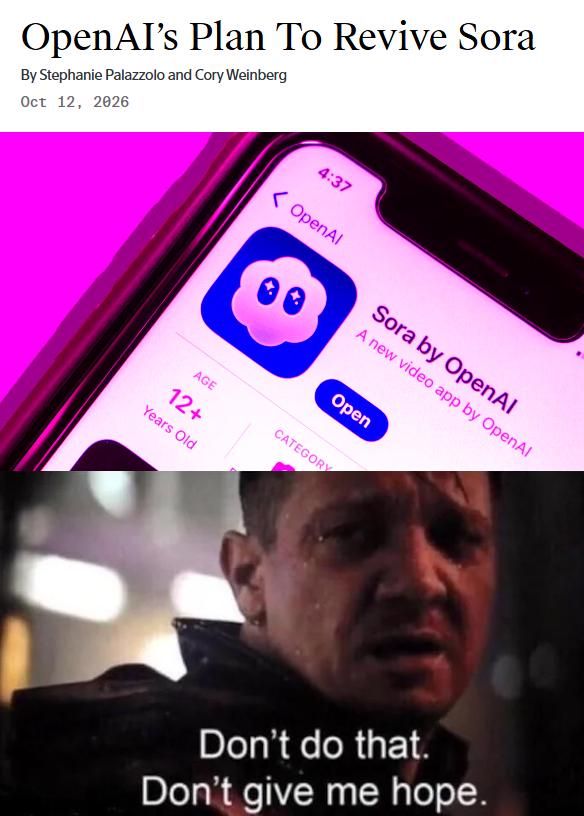
OpenAI to Return Sora via New Startup of Hollywood Producers
OpenAI is negotiating the return of its generative video model Sora through a new startup founded by former company employees and Hollywood producers.
Key Figures of the New Project
The initiative is driven by a team of three prominent experts in entertainment and technology. It includes legendary producer Jeffrey Katzenberg, co-founder of DreamWorks and former head of Walt Disney Studios. He is supported by Bill Peebles, one of the main creators of Sora and former head of OpenAI's research direction for the model. Sudhay Jaswa, former CFO of Dropbox and Katzenberg's partner, oversees the financial aspects.
The new company is focused on the professional film industry and plans to develop specialized software for movie production.
According to The Information, the startup aims to gain deep access to the Sora model for significant modification. In exchange, OpenAI is expected to receive a stake in the new company, although the size of this stake has not yet been disclosed.
There is a possibility that the Sora model weights will be transferred to the new project. This would allow the team to deeply overhaul the algorithms rather than being limited to standard API access.
Chronology of Events Surrounding Sora
The project's development history includes several key milestones. Bill Peebles announced his departure from OpenAI on April 17, after which the app and web version of Sora were permanently shut down on April 26.
On September 9, it became known about the creation of Katzenberg and Peebles' new startup, which is discussing funding from Andreessen Horowitz. On September 24, OpenAI ceased operations of the Sora API, and on October 12, details of negotiations regarding the technology's return emerged.
Strategic Goals of the Project
For OpenAI, the deal provides a financial interest in a promising project. For Peebles, it opens up the opportunity to continue working on the technology, while Katzenberg provides necessary connections with Hollywood.
The team is also considering plans to train their own video models, which could lead to the creation of an independent competitor in the AI-video market.