 Metavershche and AIshche
Human Cells in Mouse Brain and AI Analogy
Researchers conducted an experiment in which they transplanted human cortical organoids into mouse models with underdeveloped brains. The tissue took hold, connected with the host's neurons, and improved working memory performance.
Experiment with Human Cells
The study examined mice whose neocortex and hippocampus failed to develop genetically. Their brains were half the normal size. Cortical organoids, grown from human stem cells, were transplanted into the resulting space.
The human tissue not only survived but began to grow actively. After three months, the volume of the transplant increased by 4.7 times, accounting for 91.9% of all preserved cortical tissue. Neurons formed synapses, grew axons, and even reached the spinal cord.
Results showed improved cognitive functions: after the integration of human tissue, mice performed as well as healthy individuals on working memory tests. However, no superintelligence emerged — the animals remained ordinary mice.
Analogy with Artificial Intelligence
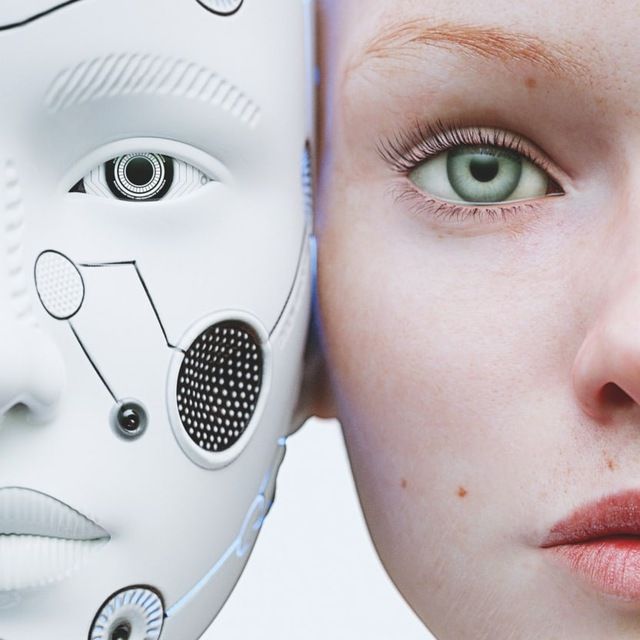
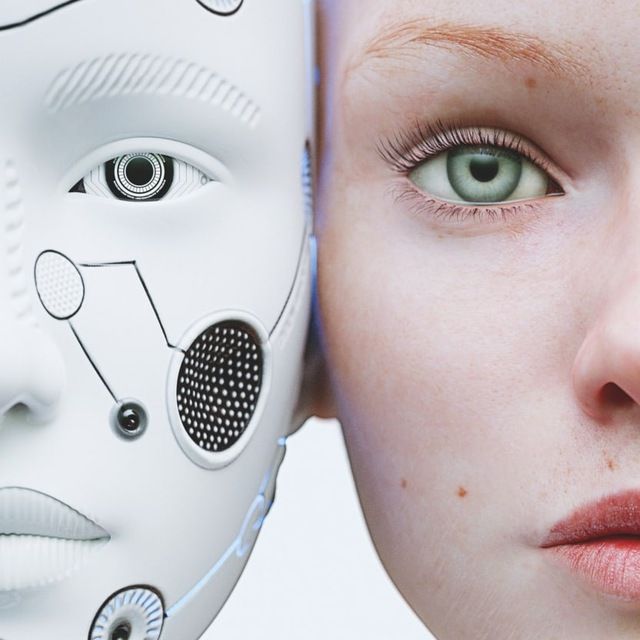
Modern AI is often called a "second brain." Similar to transplanted tissue, it connects to human biological hardware, compensating for deficits in memory, knowledge, or skills. This allows reaching an average level of problem-solving.
Systems are gradually shifting from answering questions to proactive planning and decision-making. They analyze documents, habits, and correspondence, offering solutions before the user even formulates a query.
This raises questions about the boundaries of mind. If AI becomes more complex than human perception, verifying its answers becomes a mere formality. A person might voluntarily hand over control of processes to the system because it executes them more efficiently.
The main danger lies not in a machine uprising, but in the functional superiority of external intelligence. The biological part sets goals, while the artificial part processes information, connections, and models inaccessible to individual neurons.
Interesting Details of the Experiment
Key research parameters:
- Subject: Mice with genetic absence of neocortex and hippocampus development
- Transplant: Cortical organoids from human stem cells
- Growth dynamics: Volume increased 4.7 times over 3 months
- Integration: Formation of synapses and connection with the spinal cord
The study source was published in the journal Nature.