 Metavershche and AIshche
New Standards for Evaluating Physical Realism in AI
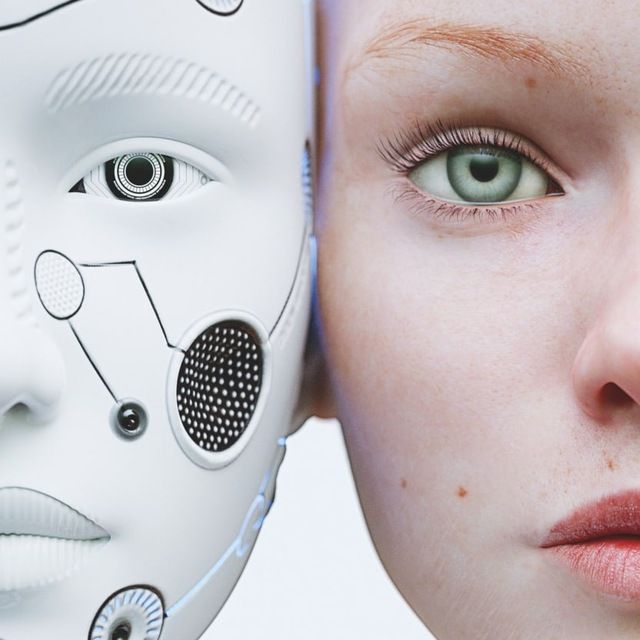
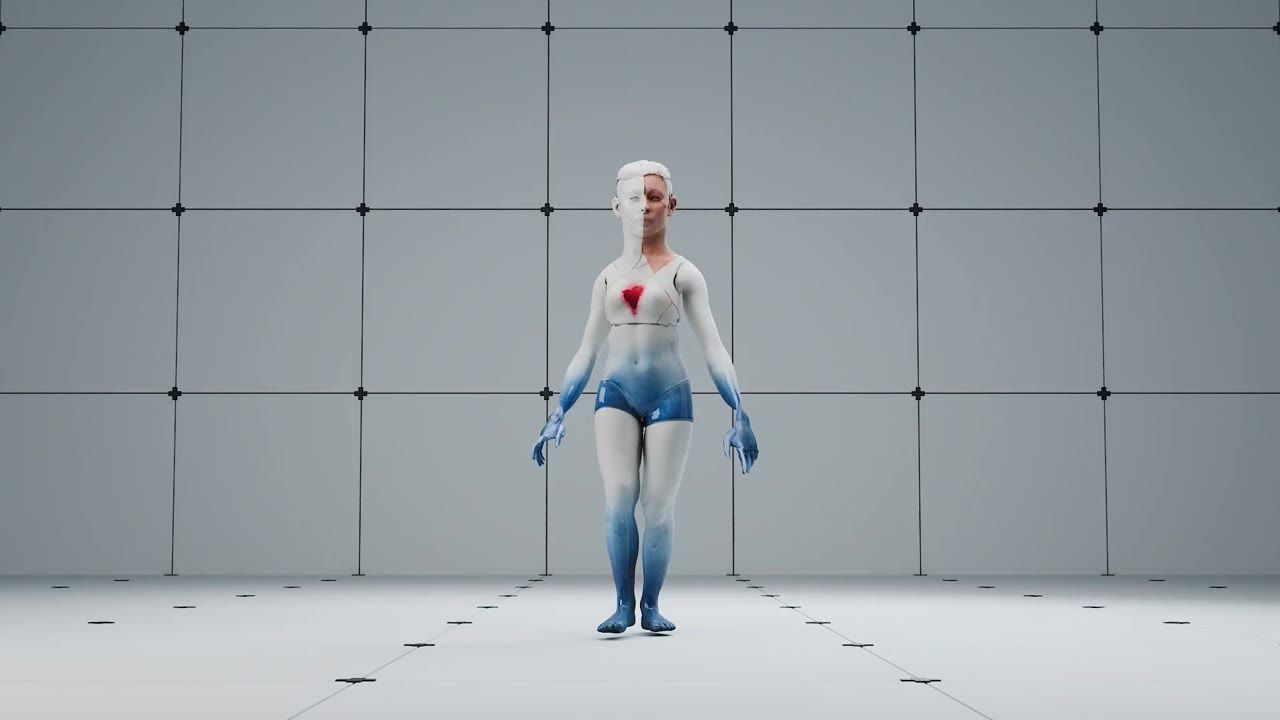
The development of generative models demonstrates a shift from abstract images to complex simulations of physical processes. New tools enable the creation of realistic body animations but require significant computing resources.
Comparing different approaches shows that result quality directly depends on model complexity and data volume. The same prompt can yield different results depending on the chosen algorithm.
Premium solutions provide high accuracy in physical simulation, but their use involves increased infrastructure costs. This creates a barrier to the mass adoption of photorealistic rendering technologies.
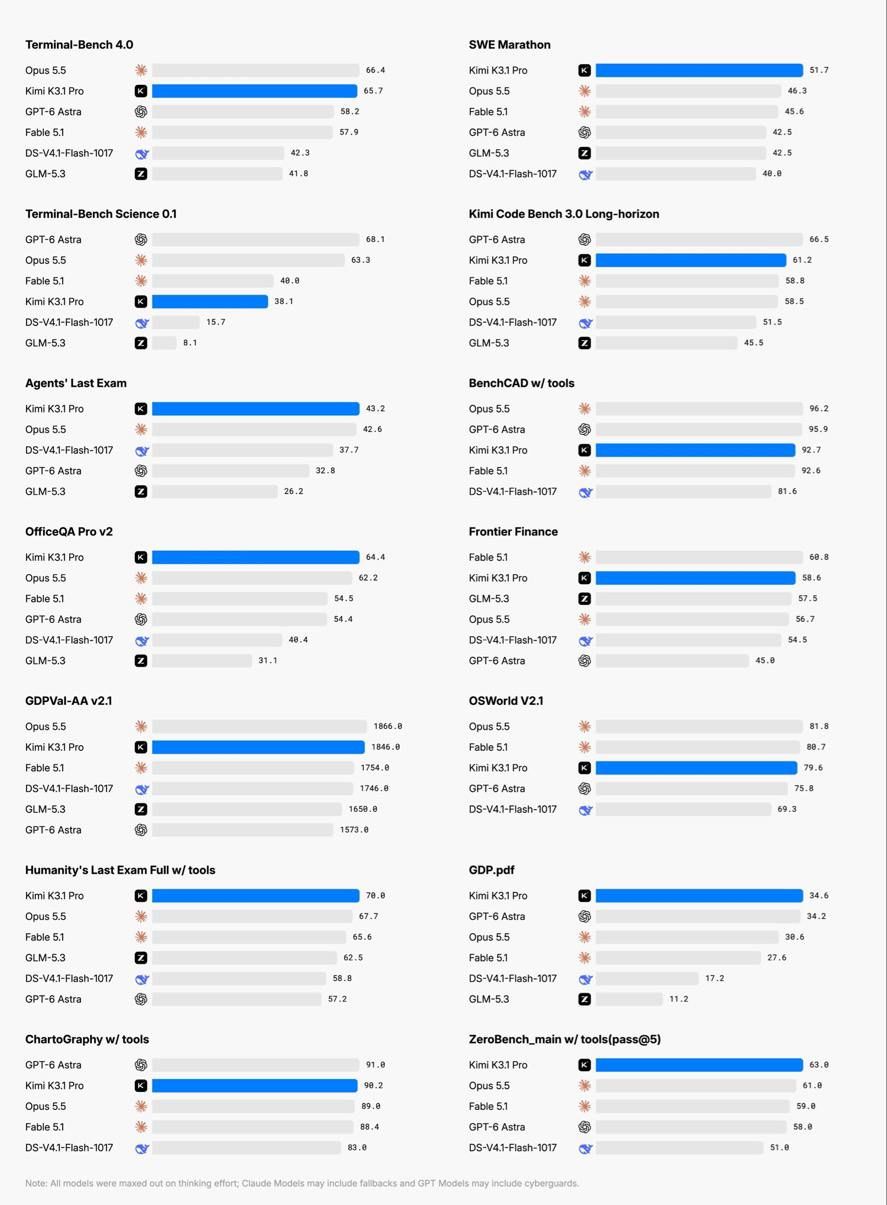
The industry is developing new metrics for evaluating AI generation quality. Old benchmarks based on static images are being replaced by tests focusing on dynamics and physical plausibility.
Key technology development trends:
- Shift from static image generation to dynamic scenes
- Implementation of metrics for AGI (Artificial General Intelligence) evaluation
- Rising cost of computation required to achieve realism
6.4K views