 Trendach Channel News IT Marketing Culture
Rules for consuming alcohol at work under the Labor Code
Alcohol at work: what is allowed and what is not
Questions regarding alcohol consumption during working hours often cause confusion among employees and employers. According to the current Labor Code of the Russian Federation, the mere fact of drinking alcoholic beverages in the workplace is not an independent ground for dismissal. Lawyers note that the law protects workers' rights regarding the type of beverage consumed, focusing exclusively on the person's condition.
Grounds for dismissal are based on intoxication
The key condition for applying disciplinary sanctions, up to termination of the employment contract, is establishing the fact that the employee was in a state of alcohol intoxication. The mere presence of a bottle or glass does not violate the law. However, the employer has the right to initiate a verification procedure only in the presence of objective signs of violation of labor discipline.
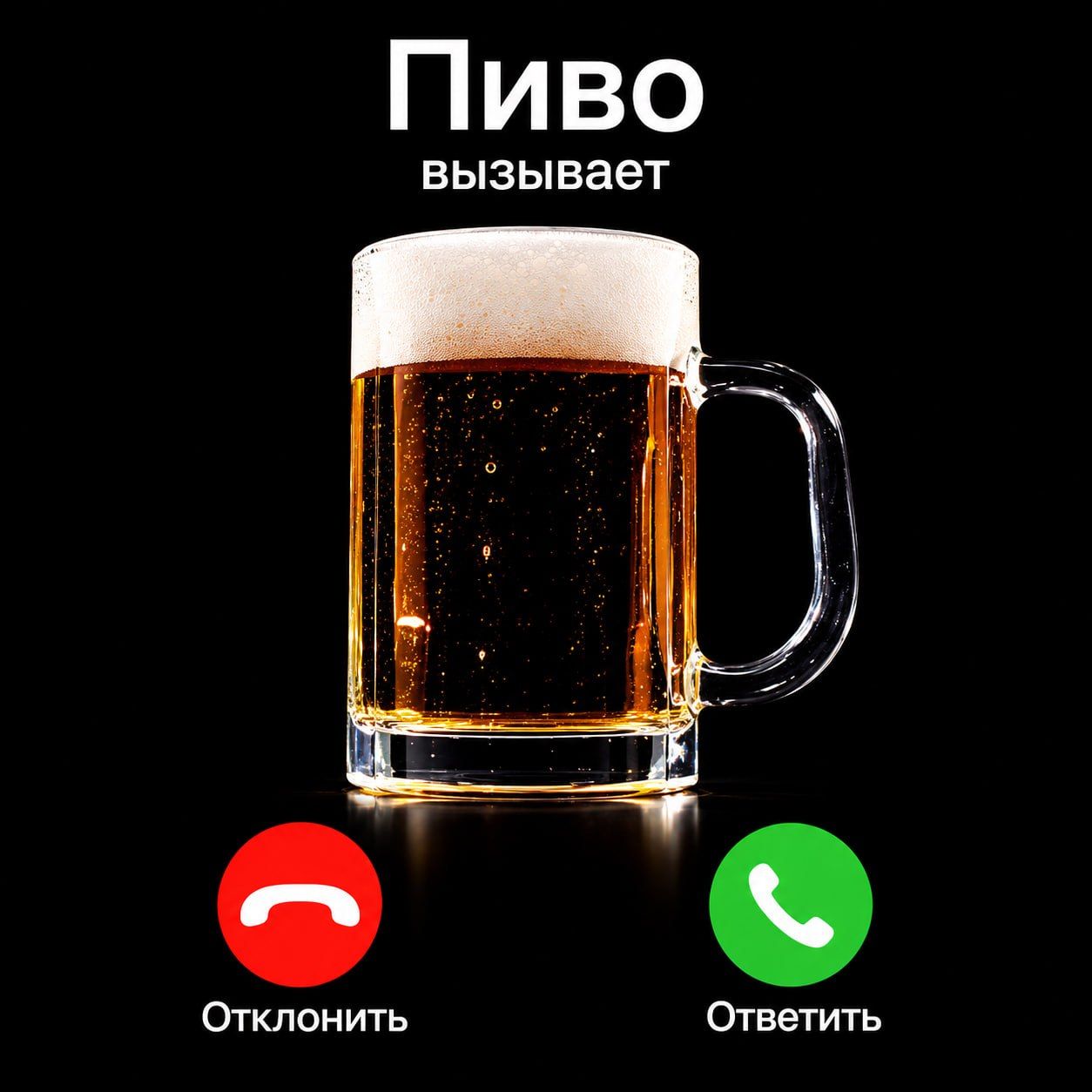
Thus, the consumption of non-alcoholic products, such as non-alcoholic beer, is completely legal and does not entail any consequences from the enterprise administration. The employer cannot cite the presence of such a drink as a violation of labor ethics or internal regulations.
Employees should remember that legal protection applies only to the absence of intoxication. Any actions leading to a violation of production necessity or safety may be regarded as a disciplinary offense regardless of the reason for their occurrence.
Legal nuances and recommendations
To minimize risks, employees are advised to avoid any actions that could be interpreted as demonstrative disregard for official duties. Although the Labor Code does not prohibit alcohol per se, it strictly regulates workplace behavior. An official conclusion from a medical examination is the only document with legal force when resolving labor disputes of this category.
The role of medical examination
The process of detecting intoxication must be formalized through a medical commission. This ensures objectivity in assessing the worker's condition and protects their rights from arbitrary management decisions. Without this document, any claims of violation are merely assumptions and cannot serve as grounds for immediate dismissal.
Ultimately, the balance between the employee's personal comfort and the employer's requirements is achieved through strict adherence to health confirmation procedures. The use of non-alcoholic alternatives remains a safe and unimpeded option for maintaining social activity during working hours.
Summary of legal analysis