

 Backdoor
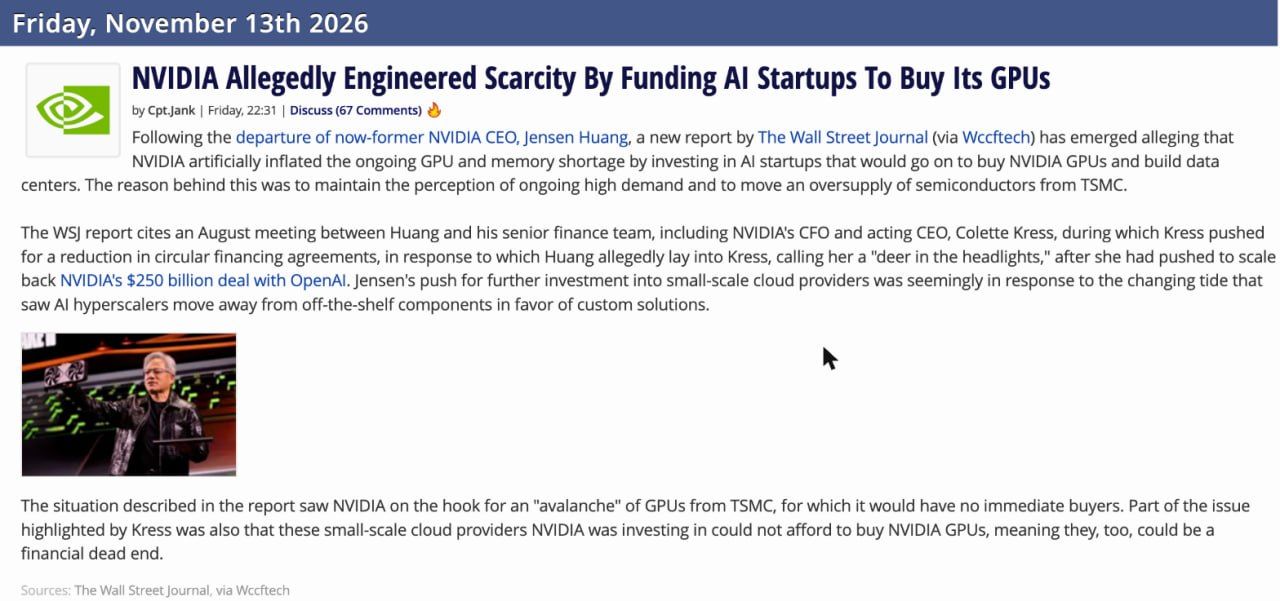
Why NVIDIA funds startups: the truth about chip surpluses
Media reports of an artificial chip shortage by NVIDIA have been refuted by primary sources. The company faced a surplus of products and sought ways to sell them.
Management Conflict
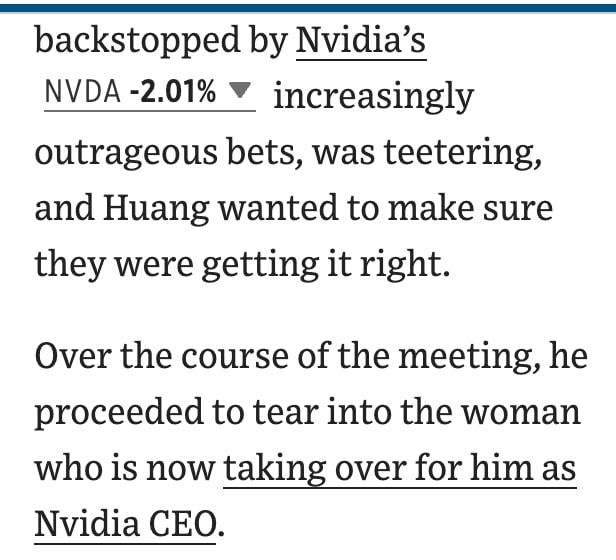
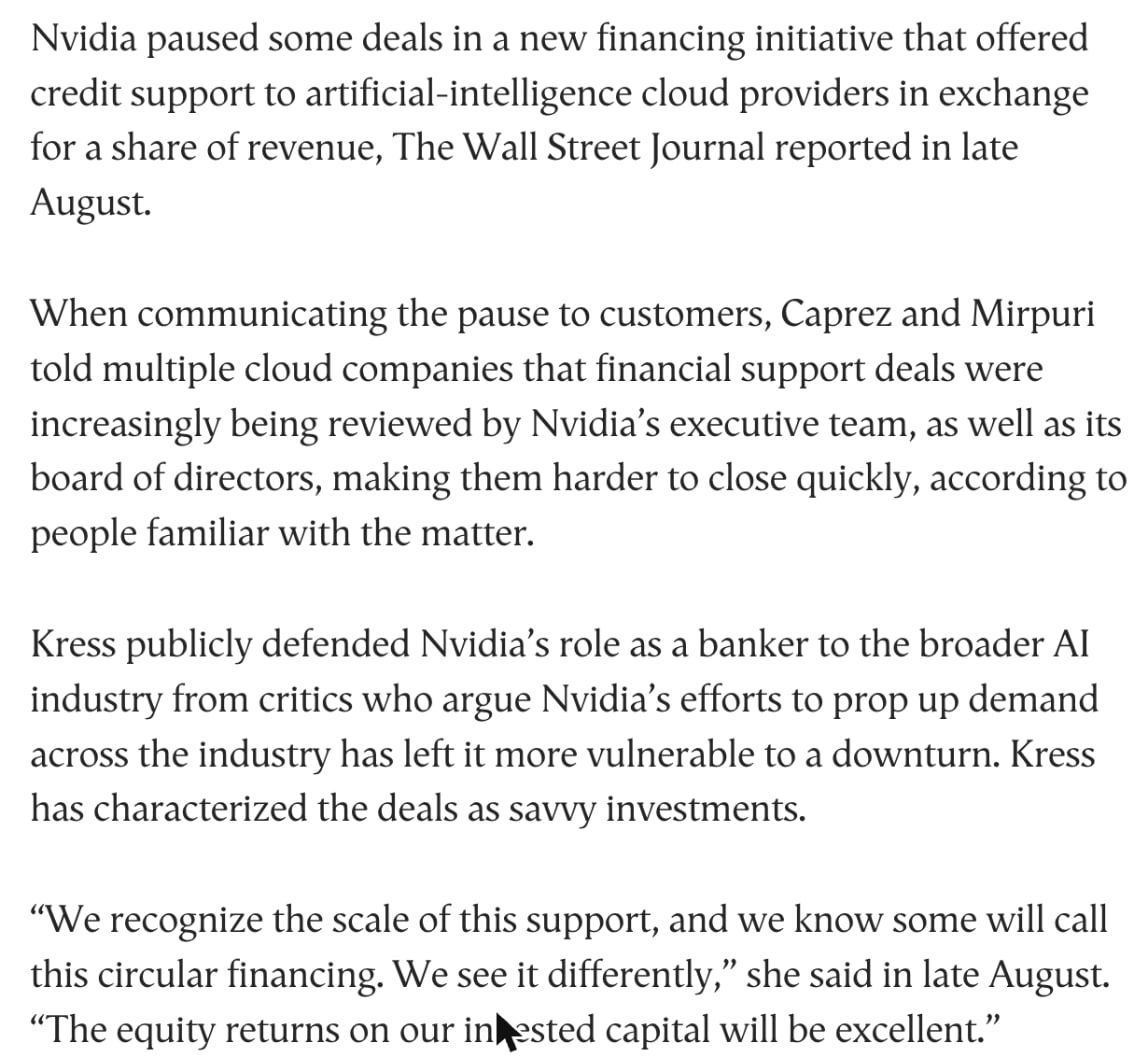
A Wall Street Journal article described disagreements between CEO Jensen Huang and Executive Director Colette Kress. Kress criticized Huang's business strategy as risky, while he viewed it as an obstacle to the company's growth.
Despite internal friction, Kress publicly supported deals to fund startups. She denied accusations of "circular financing" and defended the company's investment policy.
Real Reason for Subsidies
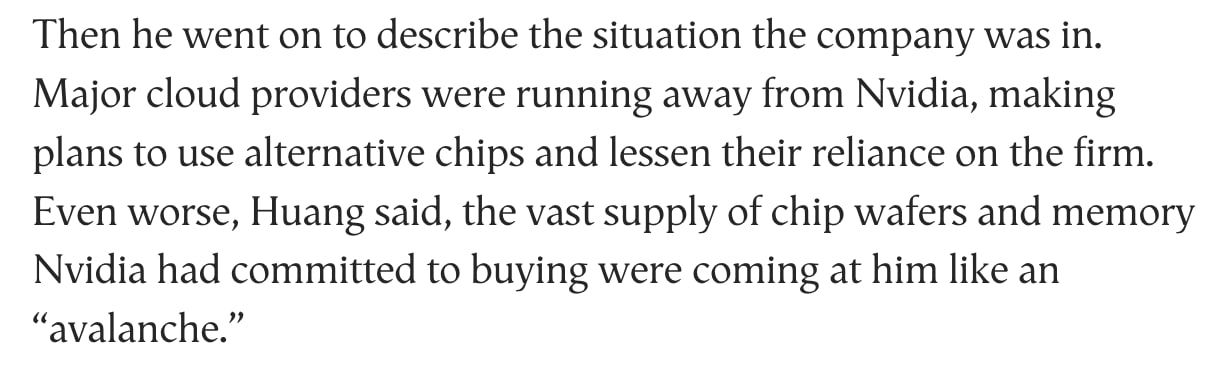
NVIDIA funded small businesses not to create an artificial shortage, but due to having a surplus of chips. The CEO publicly noted the accumulation of hardware that needed to be sold off.
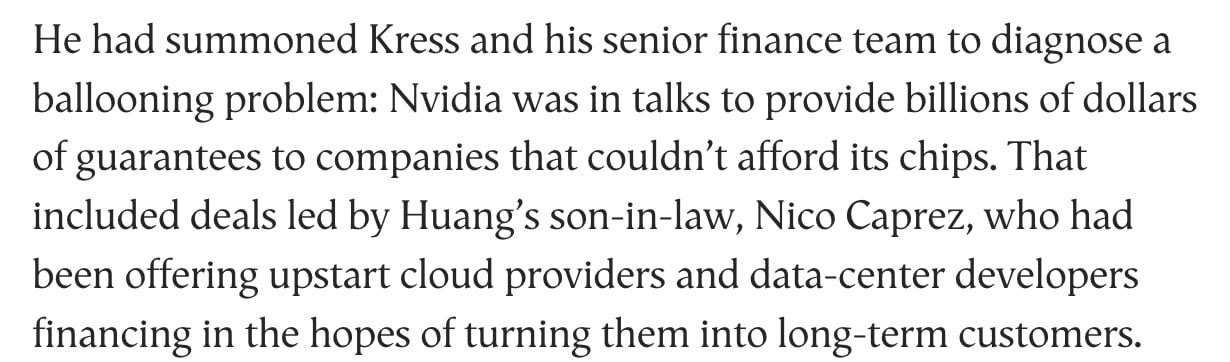
Major tech companies discussed billion-dollar investments in startups that could not afford to buy equipment on their own. This allowed NVIDIA to utilize its excess capacity.
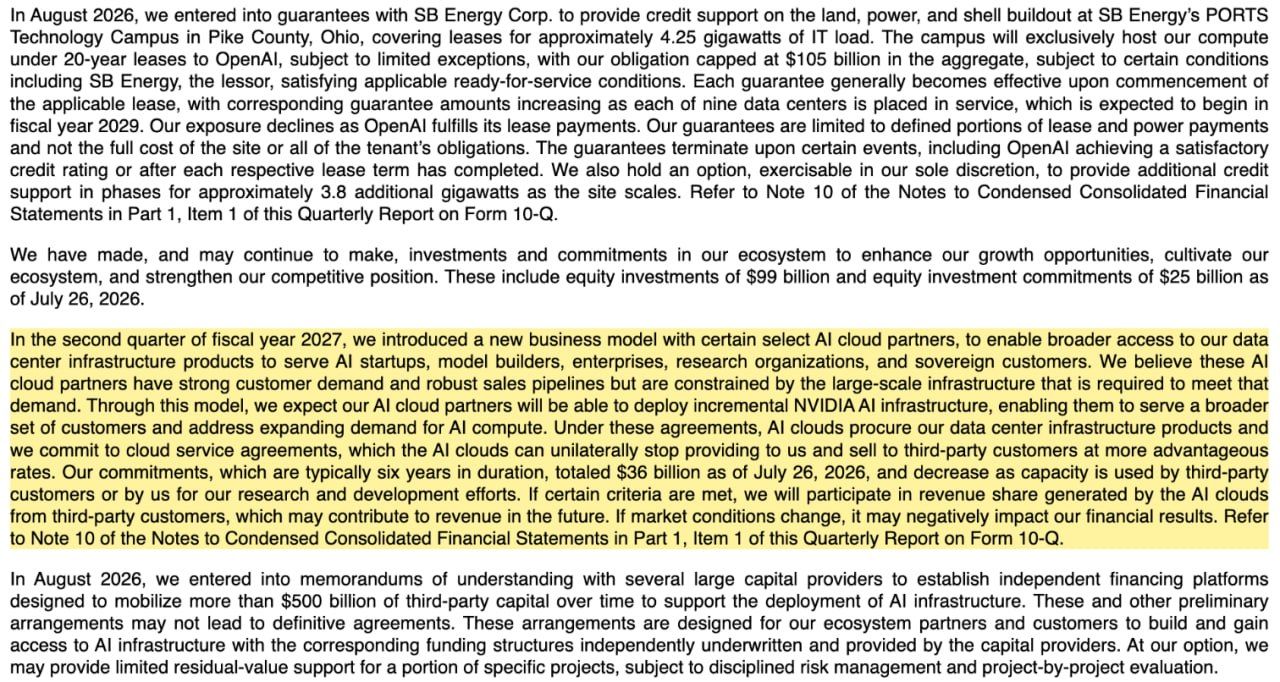
In its quarterly report, the company explicitly described the scheme: cloud providers purchase chips, and NVIDIA commits to leasing capacity from them worth $36 billion and receiving a share of the revenue. This is a form of infrastructure subsidization, not bubble inflation.
Memory Price Increase
DRAM production is handled by SK hynix, Samsung, and Micron, not NVIDIA. The rise in memory prices is driven by a general increase in demand for AI infrastructure, which is a market trend rather than the result of actions by a single company.