 Metavershche and AIshche
Neural Rendering and 3D Pre-Vis: A New Approach to Animation
Video generation using neural networks faces the problem of uncontrollable results. Attempts to specify an exact camera trajectory or character gait via text prompts often lead to unpredictable artifacts and high computational costs.
To address this, developers are implementing a hybrid pipeline that combines programming with artificial intelligence. In the first stage, a lightweight 3D pre-visualization is created using Three.js and Claude Code tools.
This approach allows for pre-rehearsing direction and scene blocking without incurring video inference costs. In the browser, step physics, pauses before head turns, and camera angles are checked using simple untextured mannequins.
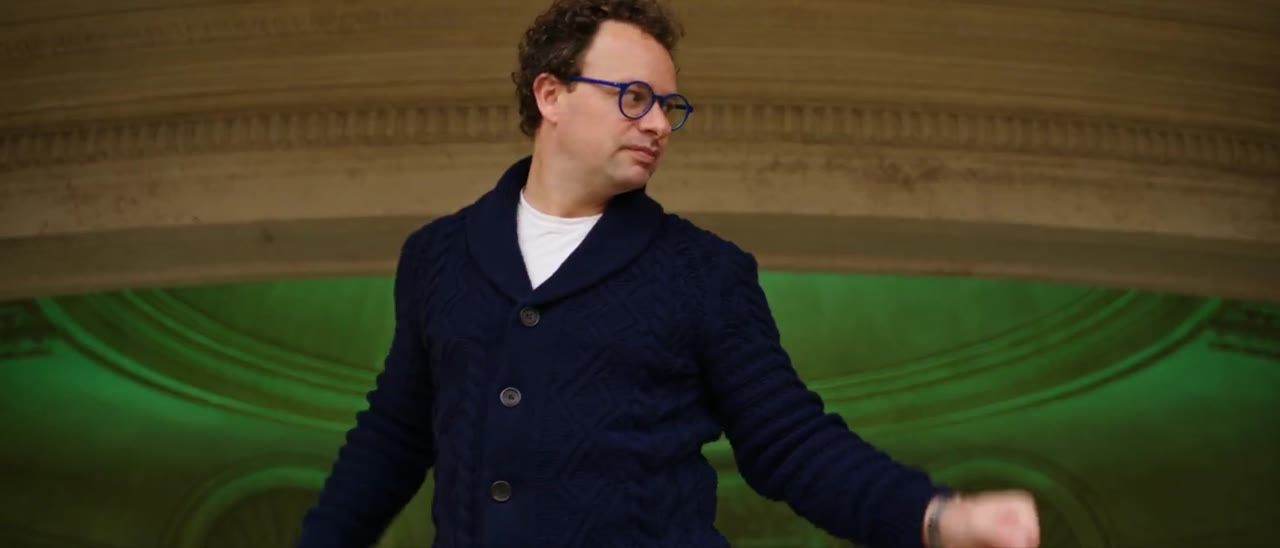
The created pre-vis video serves as an input reference for the MiniMax H3 model. During final generation, the prompt is significantly shortened: it only contains instructions to follow the movement from the source video and a description of the location.
This method reduces the risk of errors in character animation and makes the content creation process more predictable. However, secondary dynamics, such as fabric folds and sleeve movement, still require additional refinement.