 Black Triangle
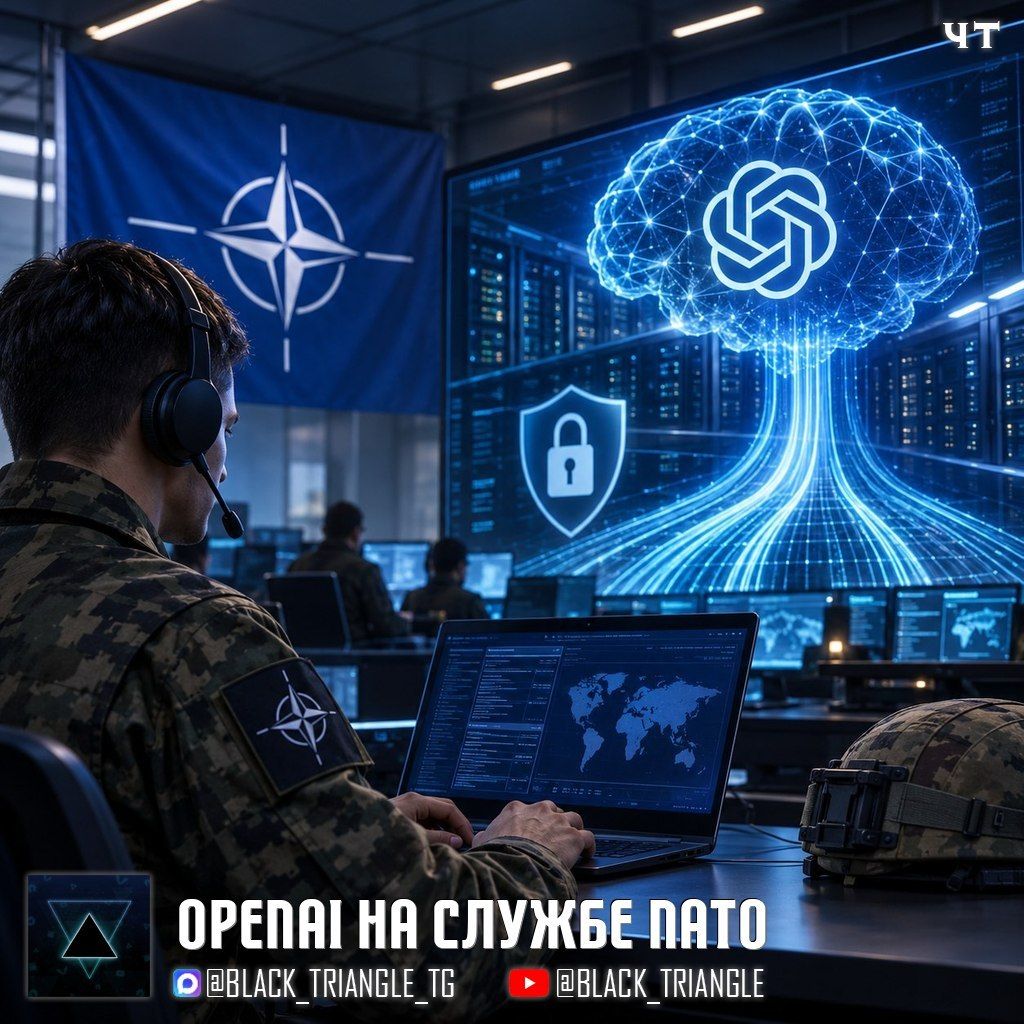
NATO Uses OpenAI AI for Cybersecurity and Vulnerability Analysis
NATO structures are actively using OpenAI artificial intelligence to enhance cybersecurity, processing up to 300 billion tokens monthly. Access to advanced language models is provided through the NATO Communications and Information Agency (NCIA).
Threat Analysis
- malware analysis
- investigation of suspicious network activity
- searching and verifying code vulnerabilities
- writing and testing security patches
The Daybreak tool is used by NATO specialists to address key cybersecurity tasks. During the Crossed Swords 2026 exercises in Tallinn, a separate track for AI agents in cyber operations with human oversight was established for the first time.
Infrastructure Vulnerabilities
European agencies have also identified critical security issues. ENISA discovered four vulnerabilities in European Union institutions' software. Poland's CERT Polska found six flaws in MikroTik RouterOS; when combined, they allowed full router control without a password.
These exploits have already been used in real-world infrastructure attacks. Previously, OpenAI agents independently found 948 vulnerabilities in the Linux kernel, demonstrating the growing role of AI in finding coding errors.