 Social Engineering
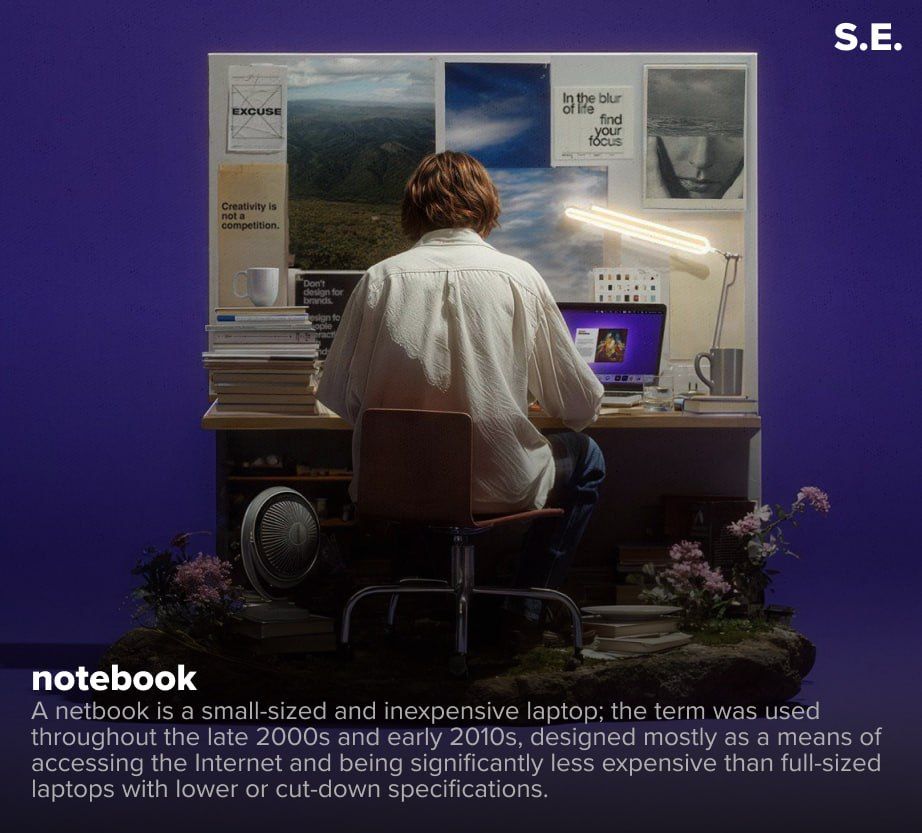
History and reasons for the disappearance of netbooks
The history of netbooks began with the UN initiative One Laptop Per Child, aimed at providing educational devices in developing countries. The project included companies such as AMD, eBay, and Google.
The first commercially successful device was the Asus EEE PC 701, released in autumn 2007 for $299. It featured an Intel Celeron M ULV processor, 512 MB of RAM, and a 4 GB SSD.
Netbooks became popular due to the combination of low price, portability, and the ability to run a full x86 operating system. By 2009, their market share reached 20 percent.
- Intel required manufacturers to limit processor power to protect sales of premium laptops
- Microsoft sharply increased prices for Windows versions designed for 10–11 inch screens
- The stripped-down Windows 7 Starter Edition limited simultaneous operation to three applications
The emergence of the iPad and powerful smartphones made netbooks obsolete for the average user. Tablets and phones offered similar functionality with better ergonomics, leading to a sharp drop in demand.
By 2013, manufacturers had completely stopped producing netbooks, as the format was no longer profitable for major market players.
11.4K views