 Backdoor
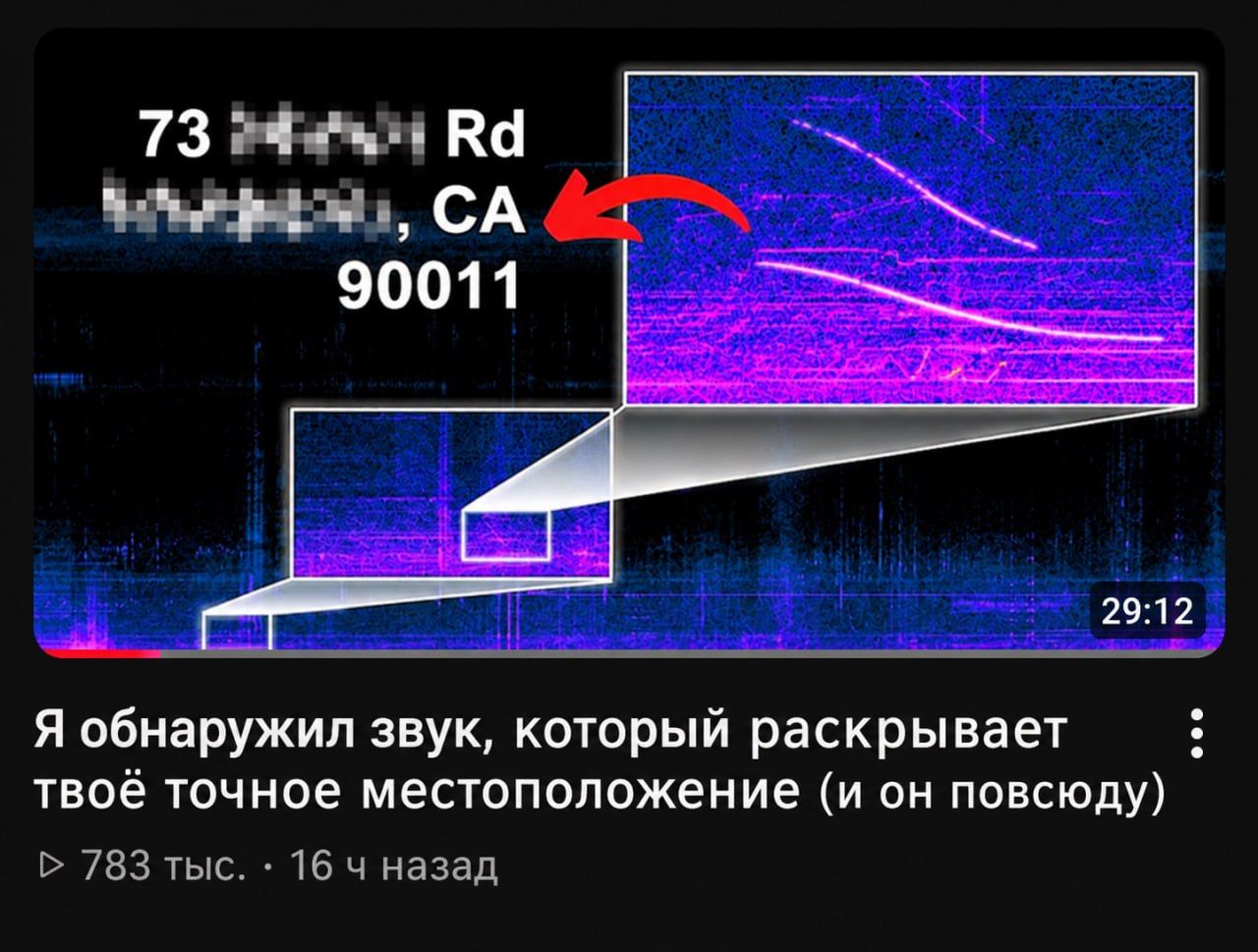
Determining Location by the Sound of Passing Airplanes
OSINT researchers have identified a powerful audio-based localization method that leverages Doppler effects from passing aircraft.
The engine hum shifts in pitch as an aircraft approaches and recedes. By analyzing the shape of the sound curve, one can calculate the speed and distance to the plane at the time of recording.
These acoustic data points are cross-referenced with public ADS-B flight history. This allows for the determination of precise geographical coordinates where the video or voice message was recorded.
This technique holds potential for law enforcement use and could aid in crime prevention. However, current limitations include the need for accurate recording timestamps and the processing of tens of gigabytes of flight data.
A testing tool named DOPPLERGEIST is available on GitHub. The research is recommended strictly for educational and academic purposes.
- DOPPLERGEIST Tool: https://github.com/1337isnot1337/DOPPLERGEIST
- Video Research on the Method: https://www.youtube.com/watch?v=UytYrhYLOKI
59.4K views