 in IT and out (v IT
Russians face rejections for European study visas
European countries are tightening their policy on issuing study visas to Russian citizens. Authorities justify the refusals with potential threats to national security, creating new barriers for applicants.
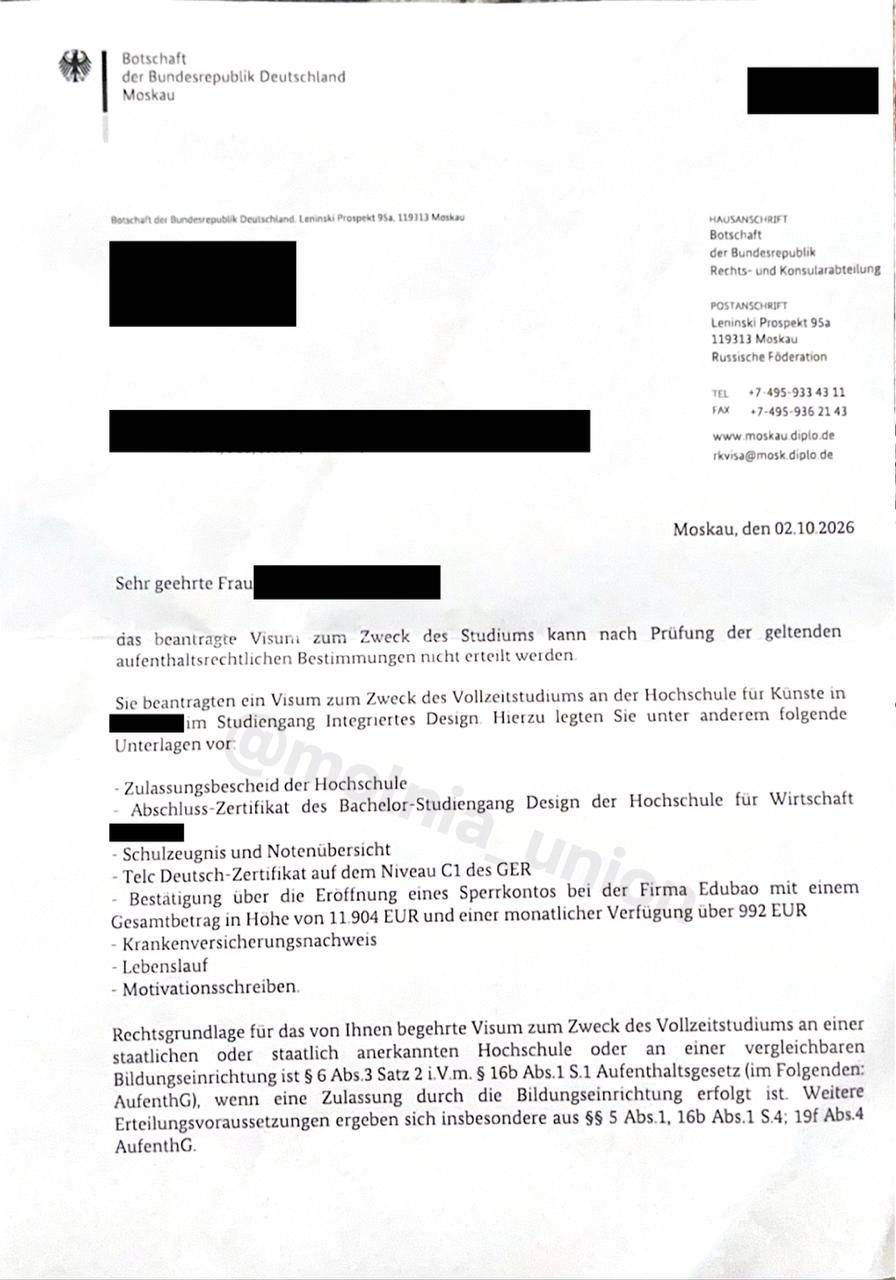
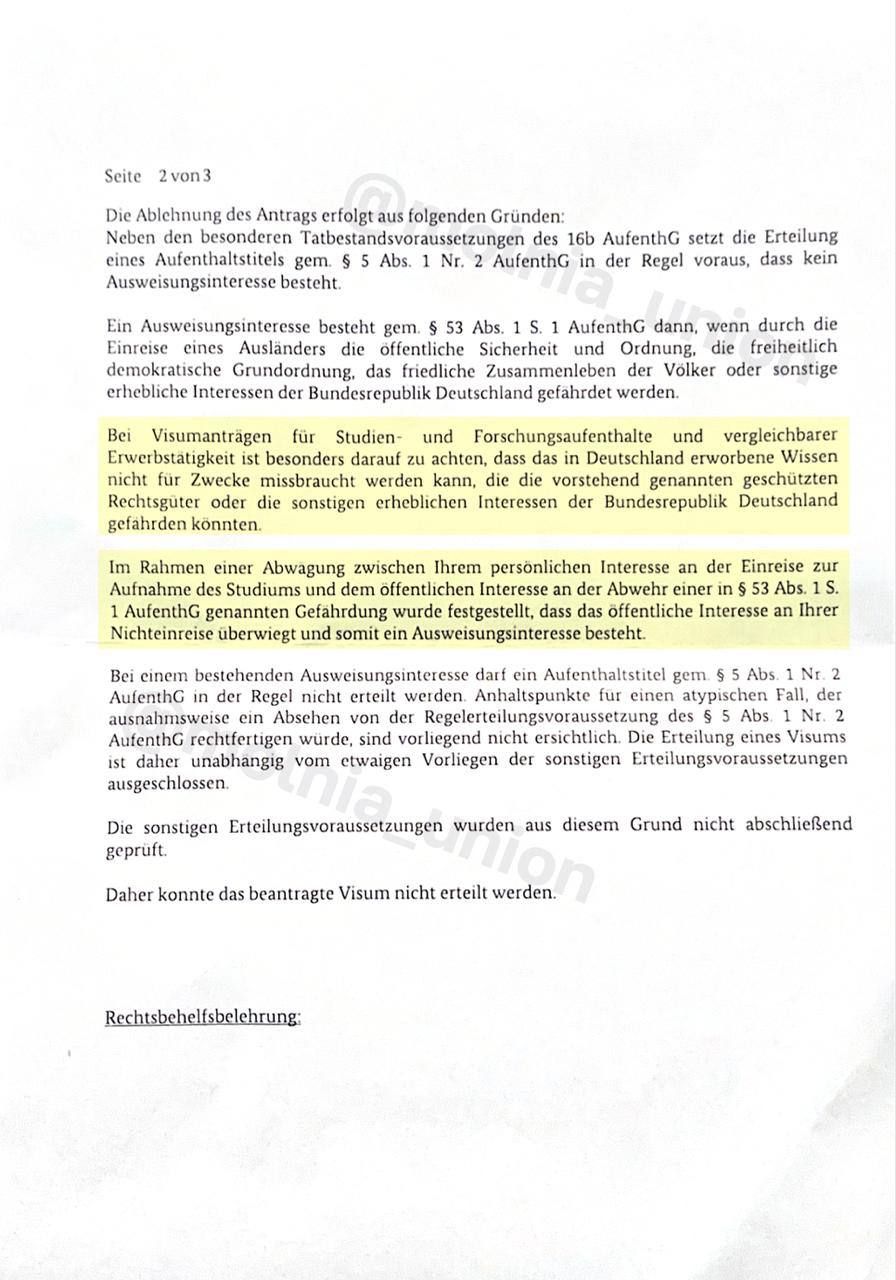
The case of a Higher School of Economics graduate has become a typical example of this new trend. German authorities denied her permission to study at an arts university, citing the risk that her knowledge might be used against the country's interests.
Previously, such refusals mostly concerned students in technical fields. Now, restrictions also extend to humanities and arts, indicating an expansion of the scope of risks being assessed.
Amid European restrictions, alternative educational routes are emerging. Russians will find it easier to enroll in North Korean higher education institutions thanks to new international agreements.
The two countries have signed a bilateral agreement on mutual recognition of diplomas. This simplifies the admission process and subsequent employment opportunities for graduates of North Korean universities within the Russian Federation.
https://ria.ru/20260929/rossija-2121063099.html
Changes in EU visa policy and new partnerships with Asia are shaping a new reality for Russian students. Applicants need to consider geopolitical factors when choosing a country for study.
Analysis of the current situation shows a shift in educational flows. If technical sciences in Europe were previously the priority, the range of options is now expanding through cooperation with other regions.
Diploma recognition between Russia and North Korea opens up new prospects. This decision could be an important step in developing educational exchange outside Western influence.